
Introduction
The history of graphic design is deeply rooted in human creativity and communication. From the first printed books to today’s digital experiences, design has evolved to meet aesthetic, functional, and communicative needs. Understanding its history, elements, and disciplines not only helps us value its impact but also guides professionals and businesses to use it strategically.
What Is Graphic Design?
Graphic design is not just art; it is visual communication. According to the American Institute of Graphic Design, it involves planning and projecting ideas with visual and textual content. In short, it is the discipline of transmitting messages through images, symbols, typography, and colors to reach a specific audience with clear goals.

Key Points About Graphic Design
- Graphic design blends creativity and functionality.
- It is present in books, advertising, branding, packaging, websites, and social media.
- Its purpose is to communicate ideas effectively and visually.
The Background and History of Graphic Design
Early Stages (1450 – 1920)
The history of graphic design started with the printing press by Johannes Gutenberg. From book replication, design quickly expanded to pamphlets, posters, and corporate materials. Designers like Toulouse-Lautrec and Talwin Morris brought creativity to book covers and advertising, marking the start of design as a communication tool.
Modernism (1920 – 1980)
The Bauhaus movement in Germany changed graphic design forever, introducing clean forms, functional compositions, and innovative typography. During this era, we saw the birth of logos, corporate identity systems, and impactful poster design—such as the iconic work of Saul Bass in cinema.
The Digital Era (1980 – Today)
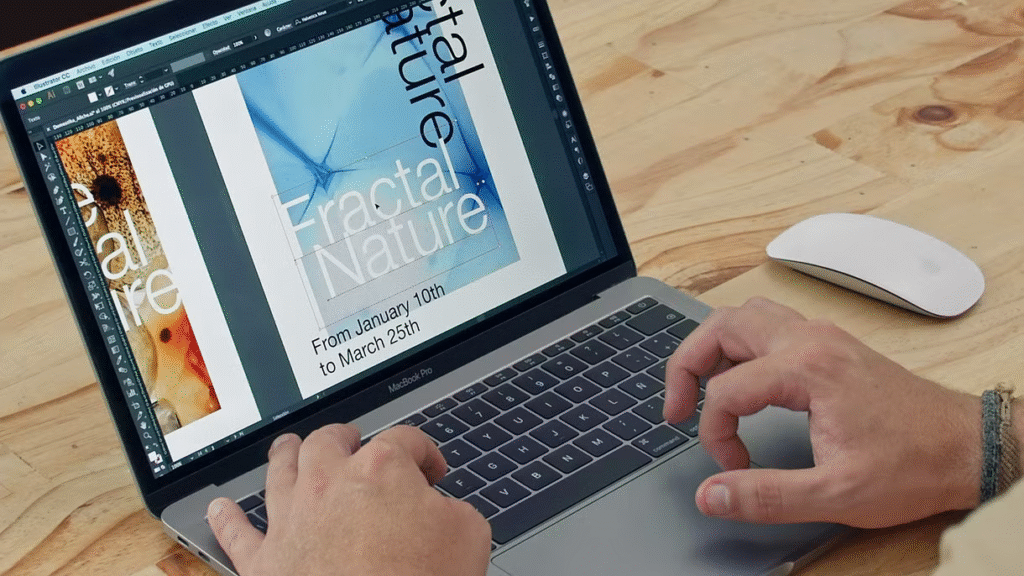
The arrival of personal computers transformed design. Software like Adobe Photoshop, Illustrator, and InDesign gave designers new possibilities. The digital revolution expanded graphic design into branding, web design, user interface (UI), and user experience (UX). Today, it plays a vital role in businesses, advertising, and social media.
Main Types of Design Related to Graphic Design
Graphic Design
Focused on visual communication through illustrations, typography, branding, web design, and advertising.
Industrial Design
Centers on form, usability, and product lifecycle, improving objects like furniture, vehicles, and everyday tools.
Architectural Design
Conceives functional and aesthetic spaces—bridging art, engineering, and lifestyle.
Fashion Design
Creates clothing and accessories, merging creativity with cultural and social trends.
Essential Elements of Graphic Design
Typography
The backbone of design. Serif, sans serif, and decorative fonts communicate different tones, from elegance to modernity.
Color
Defines mood, guides attention, and conveys emotions. Designers work with CMYK for print and RGB for digital.
Shapes
Geometric or organic forms communicate meanings: squares for stability, circles for harmony, triangles for dynamism.
Balance and Composition
Symmetrical, asymmetrical, or radial layouts define the visual structure and effectiveness of a design.
By mastering these elements of graphic design, professionals can create visuals that not only look appealing but also deliver clear and impactful messages.
Why Is Graphic Design Important Today?
The importance of graphic design lies in its ability to connect people, brands, and ideas visually. Its background shows how it has shaped communication for centuries and continues to influence modern society:
- It strengthens brand identity and communication.
- Helps businesses stand out from competition.
- Enhances user experience in digital platforms.
- Influences consumer decisions by creating powerful first impressions.
How to Become a Successful Graphic Designer
Learn Multiple Disciplines
A good designer must understand drawing, color theory, composition, and communication strategies.
Master Design Tools
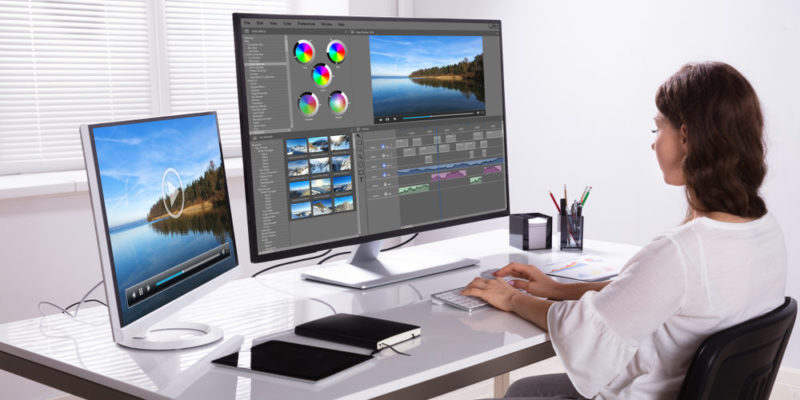
Software such as Adobe Illustrator, Photoshop, Sketch, InDesign, and Adobe XD are essential.
Stay Updated With Trends
Modern design adapts to social media and digital marketing, where visual impact determines success.
Conclusion
Understanding the background of graphic design is crucial to appreciating its role in history, society, and business. From its beginnings with the printing press to today’s digital-first world, graphic design has evolved into a powerful discipline that combines creativity, communication, and strategy.
For businesses, investing in professional graphic design is no longer optional—it’s essential for brand growth and market presence.